






Streetz87.7/102.1VA Staff
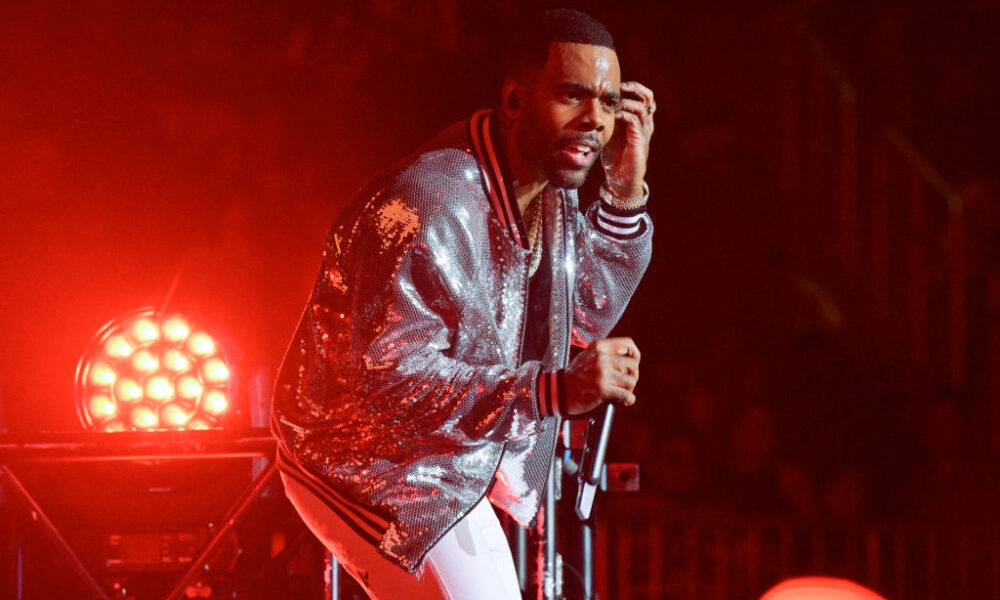
R&B singer Mario found himself in hot water after a viral moment from his set at the Big Fresno Fair on October 12 captured him ordering a cameraman off stage — and now he’s breaking his silence.
📹 The Incident: “Get Off the Stage!”
During his performance of “Braid My Hair,” Mario suddenly paused mid-song when he noticed a cameraman near him onstage. He directed:
“Yo, get the fk off the stage … get off the stage, n*a.”
“Get him off the stage.”
Security intervened and escorted the cameraman away, allowing Mario to resume his performance.
Fans online had mixed reactions — some defended his move as protecting his space, others called it unprofessional given the situation.
✍️ Mario Responds: Misunderstanding, Not Meltdown
Two days later, Mario cleared the air via Instagram Stories, saying what went down was a misunderstanding, not an emotional blow‑up.
He explained that he arrived just minutes before going on and was unaware a videographer had permission to film his set. The presence of the cameraman near him threw off his concentration.
On the moment itself, he admitted:
“Multiple times … I got distracted … almost tripped over a speaker trying to make sure I’m not walking in the same direction as him. He was too far down stage … It can really throw you off.” SoapCentral+1
He took responsibility for reacting sharply:
“I will take accountability for being a 0 to 100 type of person … You got caught in the crossfire my boy, and I’m sorry … It was nothing personal.” SoapCentral+1
Mario also invited the cameraman to join him on tour and film properly from now on. SoapCentral+2..::That Grape Juice.net::.. – Thirsty?+2
🔥 What This Means in the Culture Space
- Boundary vs. overreaction: This is yet another moment in music where what’s perceived as control can be read as aggression.
- Expectations vs. reality: In an era where performances are constantly streamed or filmed, artists’ comfort levels are under scrutiny.
- PR and public image: Mario’s apology is part damage control — he’s trying to reframe the narrative before it overshadows his legacy.
(Photo by Prince Williams/Wireimage)
No comments